

Table of Contents
- The Real Cost of 3D Printed Items: DIY vs. Buying
- Durability of 3D Printed Items: What to Expect Over Time
- 3D Printing vs Mass Production: Where Each One Wins
- How to Decorate a Small Apartment on a Budget with 3D Prints
- Practical Applications for Home Use: From Gaming to Decor
- Common Mistakes Beginners Make When Buying 3D Printed Items
- Conclusion
- Frequently Asked Questions
Last Updated: October 1, 2026
The Real Cost of 3D Printed Items: DIY vs. Buying
Are 3D printed items worth it? For most people, yes, but not for the reason they expect. A finished piece from a maker like CamGait3D Creations costs a fraction of the hardware, filament, and time required to produce one at home. The math changes depending on how many items you actually need.
A 3D printed item is a physical object built layer by layer from a digital design file, usually using melted plastic filament or cured resin. The process is called additive manufacturing, and it lets a single machine produce everything from a phone stand to a decorative castle.

The honest answer depends on volume. Printing one item at home rarely pays for itself. Buying a finished piece usually wins on cost and quality. Printing dozens of items over a year can flip that equation.
Here is the breakdown most guides skip: the printer is the cheap part. Everything around it adds up fast.
What You Actually Spend on a Home Setup
A home setup costs far more than the printer's sticker price. Budget for the machine, filament, tools, and the failed prints that come with learning.
A starter filament printer typically runs a few hundred dollars. Resin printers cost less upfront but need a wash-and-cure station and ventilation. Then come the extras: spare nozzles, a scraper, calipers, and a dry box for filament.
Most beginners underestimate how much material gets wasted. Calibration prints, test cubes, and failed first layers eat through a spool before a single sellable item appears. That waste is part of the real cost.
Hidden Costs: Filament, Electricity, and Maintenance
The ongoing costs of 3D printing are filament, electricity, and maintenance. None is huge on its own, but together they change the math on whether printing at home saves money.
Filament is the biggest recurring expense. A spool costs more than most people expect, and a single medium print can consume a meaningful share of it. Material costs climb quickly once you factor in failed attempts.
Electricity is modest per print but adds up over hundreds of hours. A printer running through long jobs draws steady power. Maintenance is the quiet one: nozzles wear out, belts stretch, and print beds need replacing.
The thing nobody tells you about home printing is that the machine is rarely the bottleneck. Your time is. Every failed print costs you the material and the hours you spent watching it.
Durability of 3D Printed Items: What to Expect Over Time
The durability of 3D printed items depends almost entirely on material and how the piece is used. A well-made print can last years on a shelf. The same print left in a hot car can warp in a single afternoon.
Material choice matters more than brand. PLA is rigid and great for decor but softens in heat. PETG handles bumps and moisture better. Resin produces fine detail but can be brittle under stress.
For decorative pieces, durability is rarely a problem. For functional parts that get handled daily, the material and print orientation decide whether the item survives.
Material Matters: PLA, PETG, and Resin Compared
Each material suits a different job. Picking the wrong one is the fastest way to end up with a broken item.
| Material | Best For | Heat Resistance | Handles Wear |
|---|---|---|---|
| PLA | Decor, figurines, display pieces | Low | Moderate |
| PETG | Functional parts, organizers | Medium | Good |
| Resin | Fine detail, miniatures | Low to medium | Low |
PLA is the workhorse for decorative prints. It is easy to print, holds crisp detail, and comes in many colors. Its weakness is heat, so keep PLA decor out of direct sun.
PETG is the better pick for anything that gets used. Desk organizers, stands, and clips benefit from its flexibility and toughness. It resists cracking where PLA might snap.
Resin wins on detail. Miniatures and intricate figurines look sharper in resin than in filament. The trade-off is brittleness, so resin pieces belong on a shelf, not in a pocket.
Long-Term Maintenance and Depreciation
Printed items need almost no maintenance, but the machine that made them does. This is the part of the cost most buyers never see.
A home printer loses value the moment it ships. Machine depreciation is real, and resale prices drop fast as newer models arrive. If you bought the printer to save money, that lost value belongs in your calculation.
📱Cell Phone Stand with Anti-Skid Rubber →
Maintenance on the machine is ongoing. Nozzles clog, belts loosen, and print beds wear. Each repair costs time and parts. A commercial maker absorbs those costs so the buyer does not have to.
This is where buying finished items pulls ahead. The buyer pays once and skips the depreciation, the repairs, and the learning curve entirely.
3D Printing vs Mass Production: Where Each One Wins
3D printing vs mass production comes down to one variable: quantity. Mass production wins on volume. 3D printing wins on customization, small runs, and one-of-a-kind designs.
Factories use injection molding and assembly lines to drive unit costs down. That only works when you make thousands of identical parts. The tooling for a single mold can cost more than a small business earns in a year.
3D printing skips tooling entirely. There is no mold to cut, so a design can change between one item and the next at no extra cost. That makes it ideal for bespoke items, prototypes, and themed pieces that would never justify a factory run.
For a buyer, this means 3D printed goods offer variety a factory cannot match. You get designs made in small batches, not stamped out by the million.
Economies of Scale and When They Matter
Economies of scale favor mass production, but only past a certain volume. Below that threshold, 3D printing is cheaper and faster.
Factories need high volume to spread tooling costs. A molded part gets cheaper with every unit, but the first unit is expensive. Printing flips this: the first unit is cheap, and the cost barely drops with volume.
That is why small-batch and custom items come from printing, not factories. It is also why a themed figurine or a custom desk accessory exists at all.
How to Decorate a Small Apartment on a Budget with 3D Prints
Learning how to decorate a small apartment on a budget with 3D prints starts with picking pieces that earn their footprint. In a tight space, every object needs to do double duty or add real character.
Space and Safety Requirements for 3D Printed Decor
Decor itself needs almost no space or special handling. The safety rules apply to the printer, not the finished item, and they matter if you plan to print at home.
Practical Applications for Home Use: From Gaming to Decor
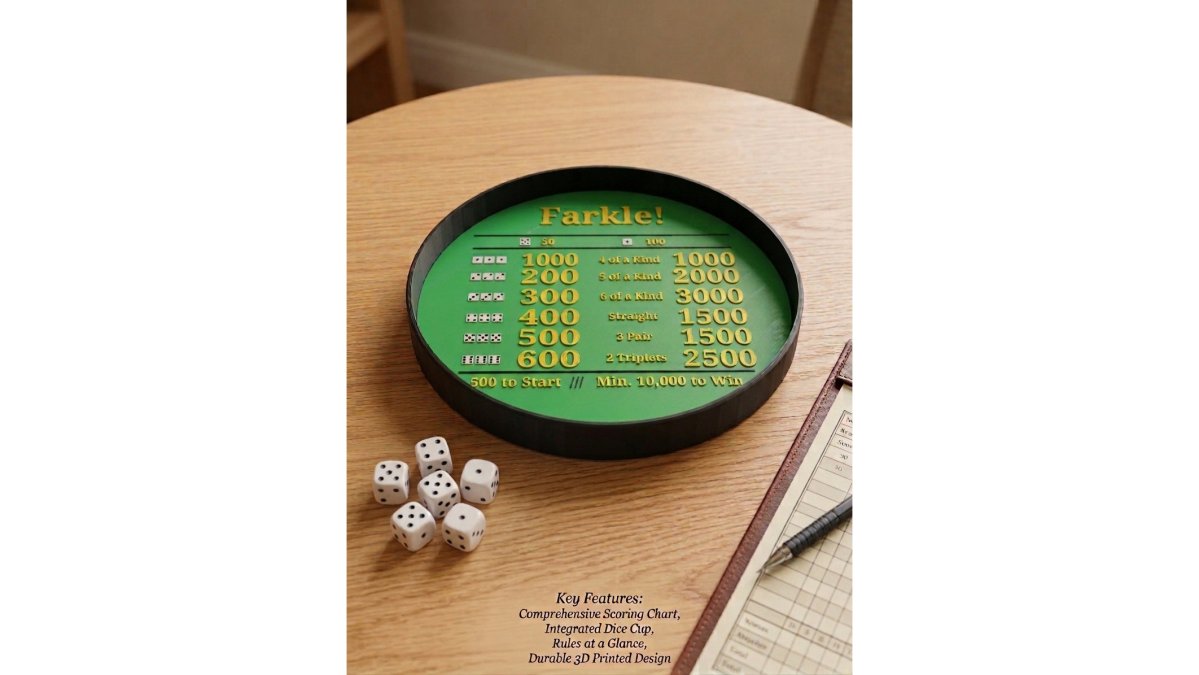
Printed items cover two broad jobs at home: functional parts and decorative pieces. The best products do both, adding character while actually being useful.
Functional Parts vs Aesthetic Prints
Functional prints are judged by how well they work. Aesthetic prints are judged by how they look. The strongest pieces blur the line between the two.

Common Mistakes Beginners Make When Buying 3D Printed Items
Most buyer regret comes from a handful of avoidable mistakes. Knowing them upfront saves money and disappointment.
- Expecting a factory-smooth finish. Printed items show layer lines. That texture is normal, not a defect.
- Ignoring the material. PLA warps in heat, resin is brittle. Match the material to how you will use the item.
- Buying on price alone. Cheap prints often use thin walls and low infill, which means weak parts.
- Skipping the seller's process. Ask whether items are printed in-house or resold. In-house printing means real quality control.
- Forgetting about returns. Check the return and replacement policy before buying, especially for gifts.
Conclusion
The honest answer to whether 3D printed items are worth it depends on what you need. For one-off decor, custom gifts, and functional accessories, buying finished pieces beats the cost and hassle of printing at home. The math only flips if you plan to print constantly.
Frequently Asked Questions
Do people actually buy 3D printed items?
Yes. 3D printed items sell well in niche markets like gaming accessories, home decor, and personalized gifts. Platforms like Etsy and independent shops like CamGait3D Creations offer products ranging from $10 phone stands to $30 bookends. Buyers value customization and unique designs that mass-produced goods cannot match. The key is finding items that solve a specific problem or fit a particular aesthetic, such as gothic decor or fantasy-themed bookshelf pieces.
How long will a 3D print last?
The lifespan of a 3D printed item depends on material and use. PLA prints can last years indoors if kept away from direct sunlight and heat. PETG offers better durability for functional parts. Items like bookends or phone stands that sit on a shelf can last indefinitely with minimal handling. Avoid leaving prints in hot cars or near heaters, as PLA can soften at temperatures above 60°C (140°F).
What are the common downsides of 3D printed home decor?
Common downsides include visible layer lines, limited color options, and a plastic feel compared to ceramic or wood. Some prints may have small imperfections like stringing or rough spots. However, many buyers see these as part of the handmade charm. If you want a smooth finish, post-processing like sanding or painting is required. Also, not all prints are UV-resistant, so fading can occur near windows.
Is it cost-effective to 3D print items for a small apartment?
For one-off items, buying a 3D printed product is often cheaper than buying a printer and materials. A decent printer starts around $200, plus $20-$30 per spool of filament. If you only need a few decor pieces, purchasing from a shop like CamGait3D Creations makes more sense. However, if you plan to print many items or customize frequently, a printer can pay for itself over time.